
CONTINUOUS PROGRESSIVE LEADERSHIP
The Bharat 2.0 Conclave May 2026 Edition, presented by *Business Viewpoint Magazine*, stands as a dynamic leadership forum uniting visionaries shaping India’s future. Under the theme “Building the Future of Bharat: Technology, Talent & Transformation,” the conclave dives into the forces driving innovation, resilience, and sustainable growth.
With a focus on AI, digital transformation, workforce readiness, and inclusive leadership, it’s a space for actionable insights, strategic partnerships, and bold ideas that propel Bharat forward. More than an event—it’s a movement toward a globally competitive, future-ready India.
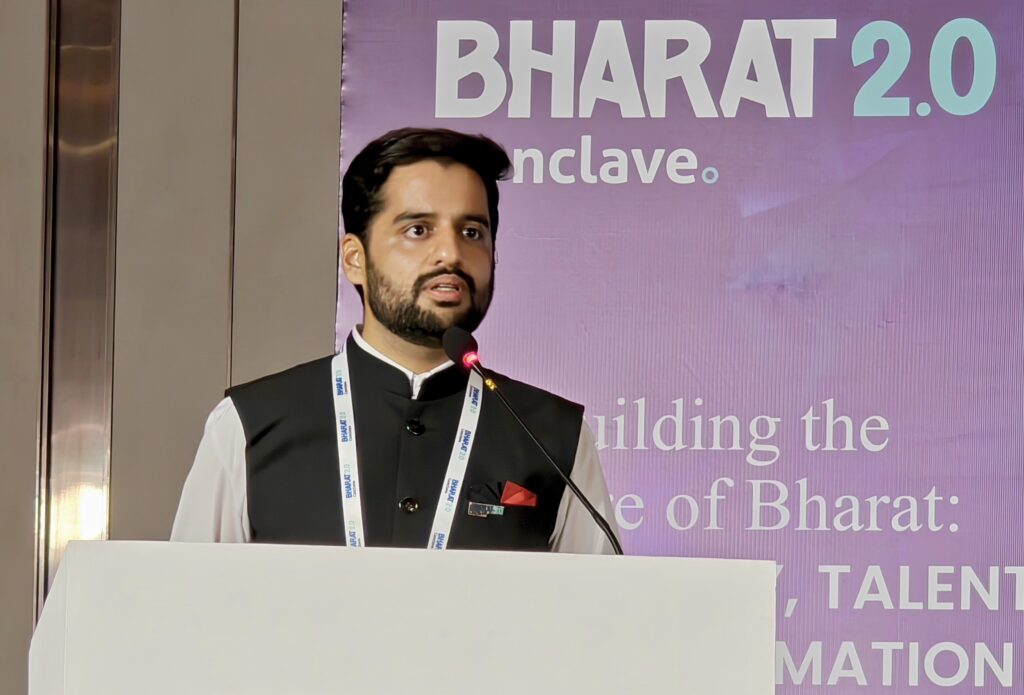
Opening Keynote by Dhruv Apte – Founder & CEO of The Enterprise World on The Power of Storytelling, the key observations –
1. The Core Problem: Narrative vs. Talent
Not a talent issue: India and the global market are full of high-quality talent.
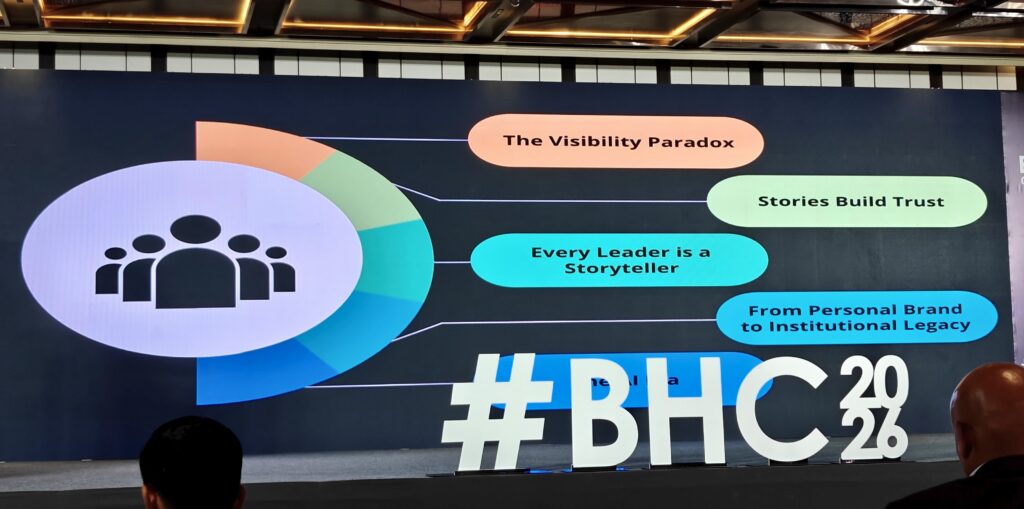
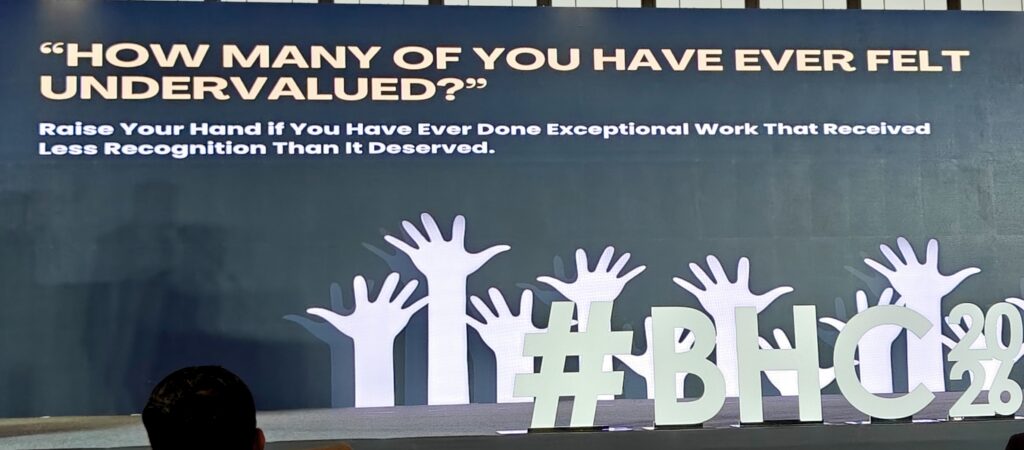
A storytelling issue: Many individuals and businesses feel undervalued because their narratives do not reach the right audience.
The “Visibility Paradox”: True expertise alone no longer guarantees authority or influence in a modern digital, print, and AI-driven media landscape.
2. Emotional Connection Wins Markets
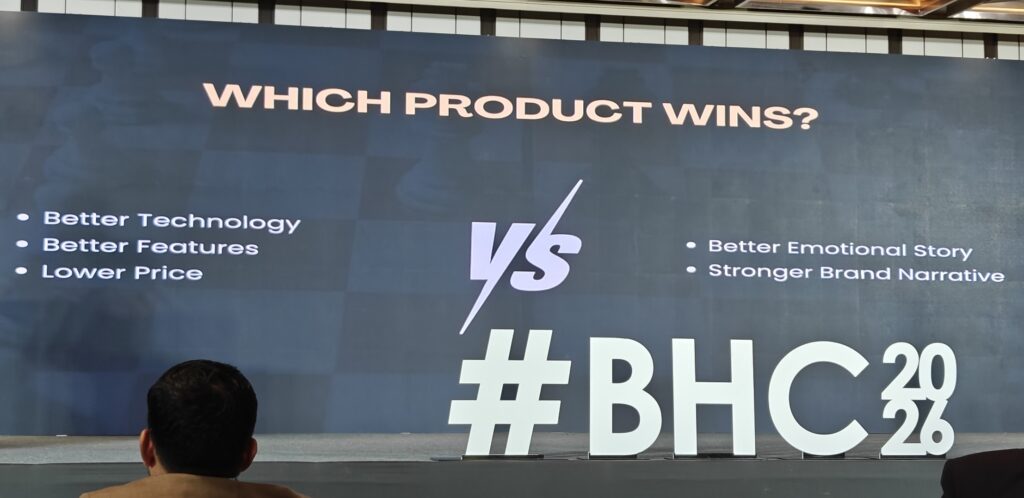
Product vs. Brand: When comparing a cheaper, technically superior product against one with a stronger emotional story, the product with the compelling narrative always wins.
Actionable Insight: Logic makes consumers think, but emotional stories are what compel people to act
Real-world Examples:
Tata: Built generations of trust by focusing on integrity, nation-building, and responsibility rather than just products.
Starbucks: Successfully charges premium rates in India because consumers buy into the brand status over basic commodity coffee.
Royal Enfield: Outperforms technically superior competitors by selling a sense of “brotherhood”
3. Leaders as the New Brands
Organic Influence: Modern business leaders have become self-contained brands who can drive organizational trust without massive marketing budgets.
Ownership of Narrative: Every leader naturally acts as a storyteller; the critical differentiator is whether they actively control their own narrative.
The AI Imperative: While AI can effortlessly generate standard business content, it cannot replicate authentic, trust-based personal human stories
4. Manifestation and Legacy Planning
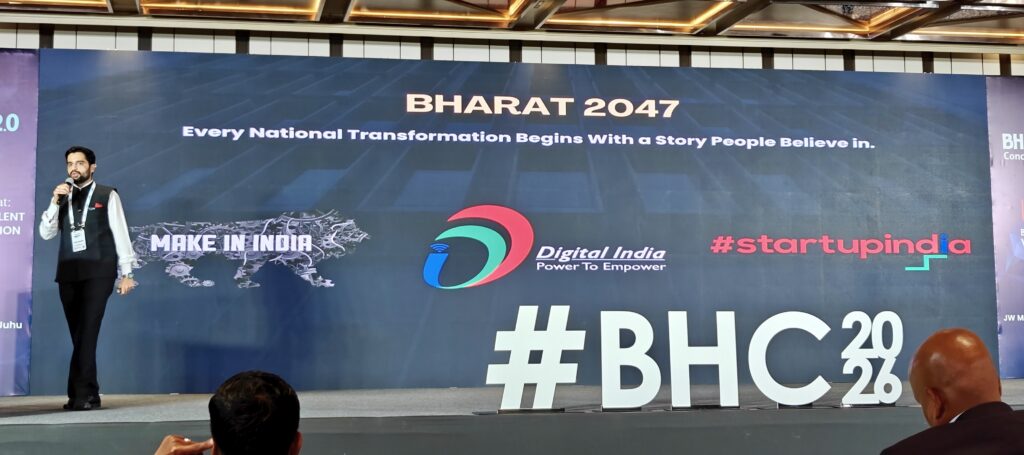
The 2047 Vision: Leaders should actively define and manifest what personal or business milestones they will contribute by India’s 100th year of independence.
The Retirement Test: Upon retirement, people will remember a leader’s stories and impact, not their raw corporate revenue or working hours.
Three Essential Questions: Every entrepreneur must ask: What story am I telling? Who is telling it? What legacy does it create?
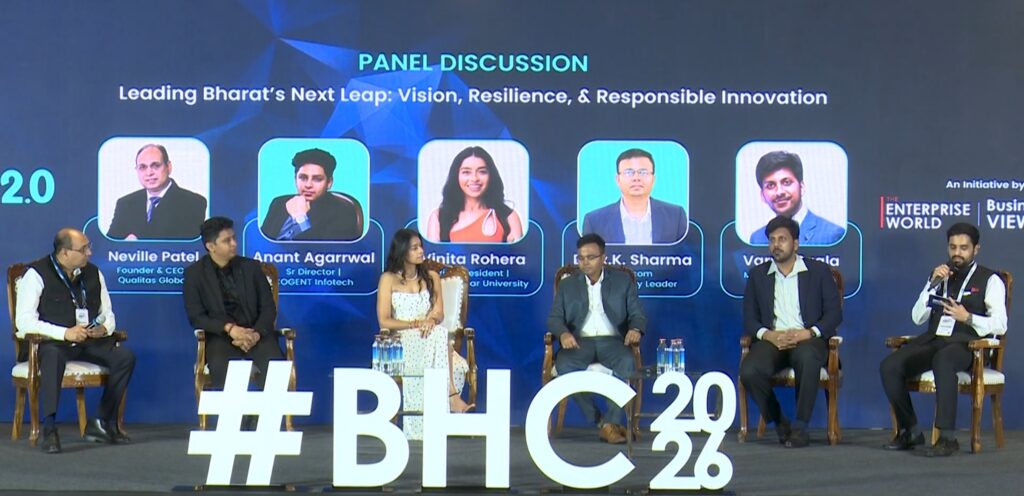
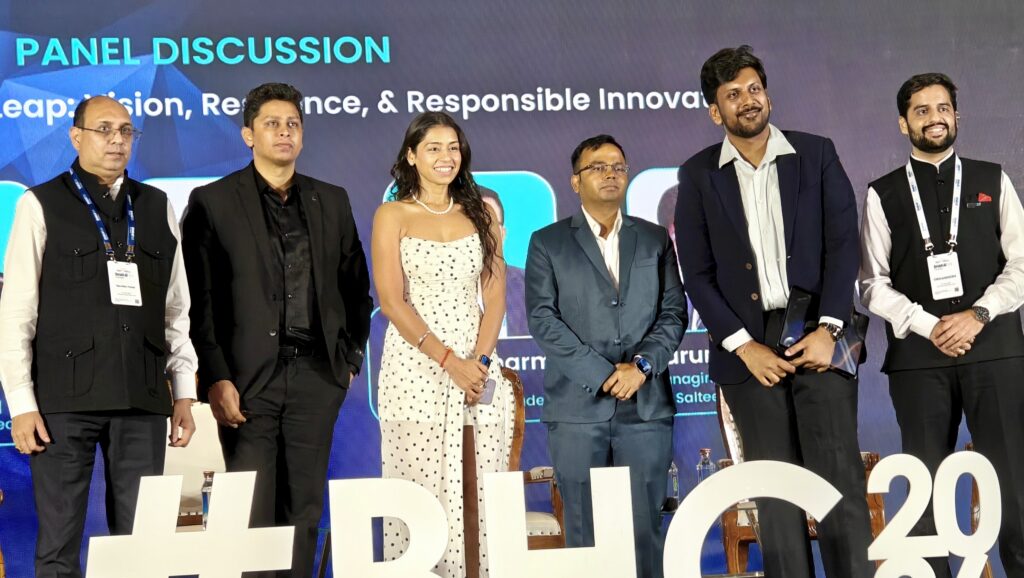
Key Takeaways from the Bharat 2.0 Conclave Panel discussion – Leading Bharat’s Next Leap: Vision, Resilience & Responsible Innovation, the panelists highlighted a shift toward inclusive, resilient innovation, breaking geographical barriers to empower rural and tier-2/3 entrepreneurs. Discussions focused on bridging technology, talent, and ethical scaling to foster a future-ready, globally competitive Indian economy.
The panel discussion focused on driving India’s developmental leap through ground-level execution, ethical AI deployment, and systemic overhauls rather than high-level metrics.
1. Education & Talent Readiness: The Core Bottleneck
Industry-Academia Misalignment: Current higher education structures are failing to produce workforce-ready graduates. Companies face heavy overhead costs retraining new hires for up to a year before deployment.
Low Higher Education Gross Enrolment Ratio (GER): India’s general category GER hovers at a critically low 18%, rising to only 27% when including all socioeconomic categories. Sustained growth requires focusing heavily on higher education quality to leverage the demographic dividend.
Flexible and AI-Enabled Curriculums: Panelists noted a shift toward customizable education systems—such as implementing 50/50 dual-focus majors/minors (e.g., combining Pharmacy or Tech with creative disciplines). Universities must evolve from traditional marketing tactics to prioritizing life-long learning mindsets.
2. Technology & Innovation: Responsible Scaling & Cybersecurity
Mitigating the AI Knowledge Divide: Artificial intelligence runs the risk of widening socioeconomic gaps between those with digital access and those without. Panelists proposed tracking a localized “Digital Literacy Index” grouped by pin codes to bridge regional capability disparities.
The “Q-Day” Threat & Quantum Cryptography: With rapid advancements in quantum computing, standard digital encryption algorithms (like RSA) are highly vulnerable to decryption breaches. Leaders must proactively adopt Post-Quantum Cryptography (PQC) immediately across financial and telecom frameworks.
Keeping Humans in the Loop: Autonomous enterprise AI models must maintain ethical guardrails. AI should speed up human efficiency rather than act autonomously, meaning humans must remain final decision-makers.
3. Economic Growth & Regional Infrastructure Optimization
Decentralizing Growth Metrics: Indian growth metrics are over-concentrated in key Tier-1 metro areas. Panelists called for a decentralized mechanism to calculate and monitor explicit GDP figures for Tier-3 and Tier-4 locations to check structural progress.
Preventing Capital Monopolies in Infrastructure: Sectors like real estate are turning into a pure capital game, forcing smaller, innovative players out of the market. Cohesive public development—such as putting hazardous above-ground electricity lines underground—directly affects citizen safety and business valuations.
Shifting Corporate Timelines: Indian technology firms are criticized for excessively high dividend payout ratios (approaching 95%), which prioritize short-term shareholder capitalism over long-term capital re-investment into deep-tech assets like data centers.
4. Leadership & Corporate Culture Shift
Destigmatizing and Incentivizing Failure: Resilient corporate strategy requires shifting away from pure optimization toward continuous experimentation. Leaders shared success metrics from tracking a corporate “Failure Index” or funding “Failure Fees” to reward the creative risks that lead to deep-tech breakthroughs.
Inward-Looking Authenticity: Rather than strictly copying western or Chinese infrastructure templates, Indian enterprises must build solutions customized for domestic demographics, consumer behavior, and deep-seated cultural expectations.
Coherence in Communication: Strategic corporate communication shouldn’t just be an occasional memo. True change management demands continuous, repetitive reinforcement of organizational metrics to align teams through structural transitions.
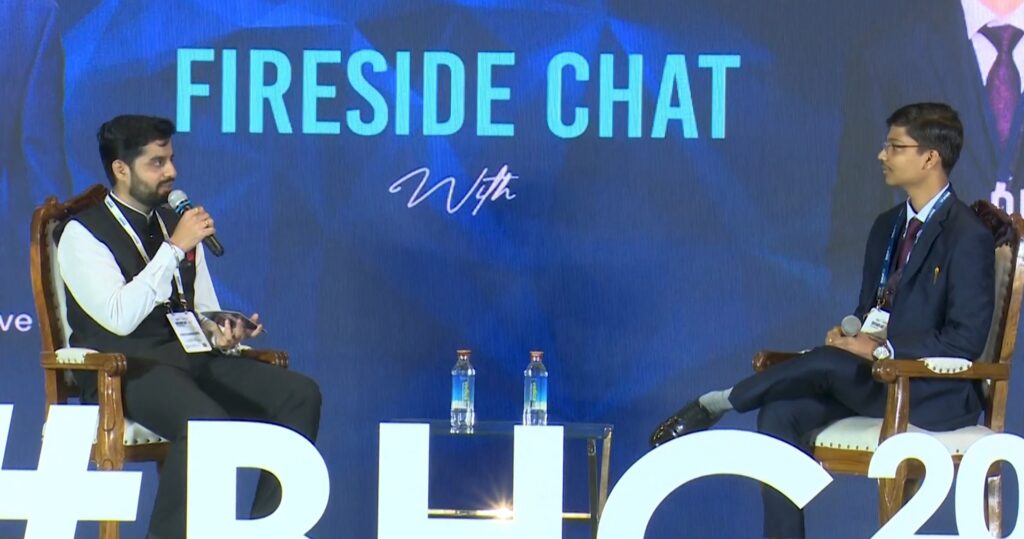
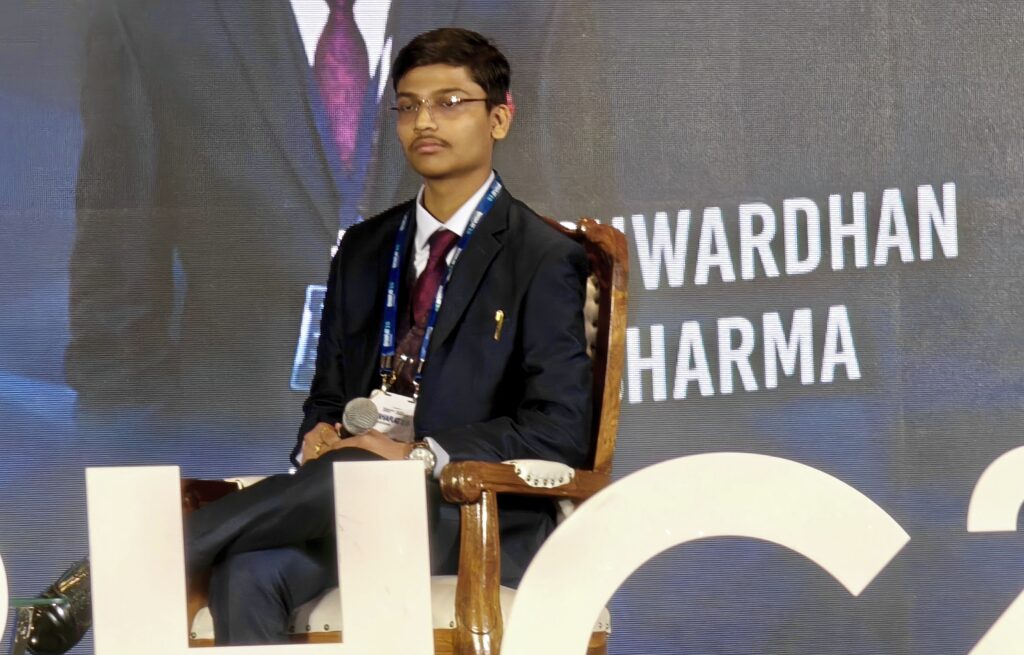
At the Bharat 2.0 Conclave, a fireside chat with Yashvardhan Sharma highlighted that Indian youth are driving the nation’s transition from AI consumer to builder, transforming the ecosystem through grassroots education and agency development. The discussion emphasized that AI is no longer a luxury but a necessity for India’s future, with young innovators overcoming infrastructure gaps through rapid skill acquisition and first-principles thinking.
Key takeaways on the future of AI in India:
Transition from Consumer to Builder: India’s tech ecosystem is rapidly moving past merely consuming foreign tech products, focusing instead on building indigenous infrastructure and native AI applications customized for local needs.
Grassroots Agency and Talent: The true momentum behind India’s AI revolution is driven by young innovators leveraging grassroots education and community networks to pick up deep-tech skills from first principles.
Overcoming Resource Gaps: While structural deficits like limited access to high-end hardware exist, local developers are aggressively bypassing infrastructure bottlenecks by designing lightweight, data-efficient AI models.
National Necessity over Luxury: Implementing artificial intelligence is no longer categorized as an optional innovation layer but as a core requirement to scale public services, healthcare, and education across the nation
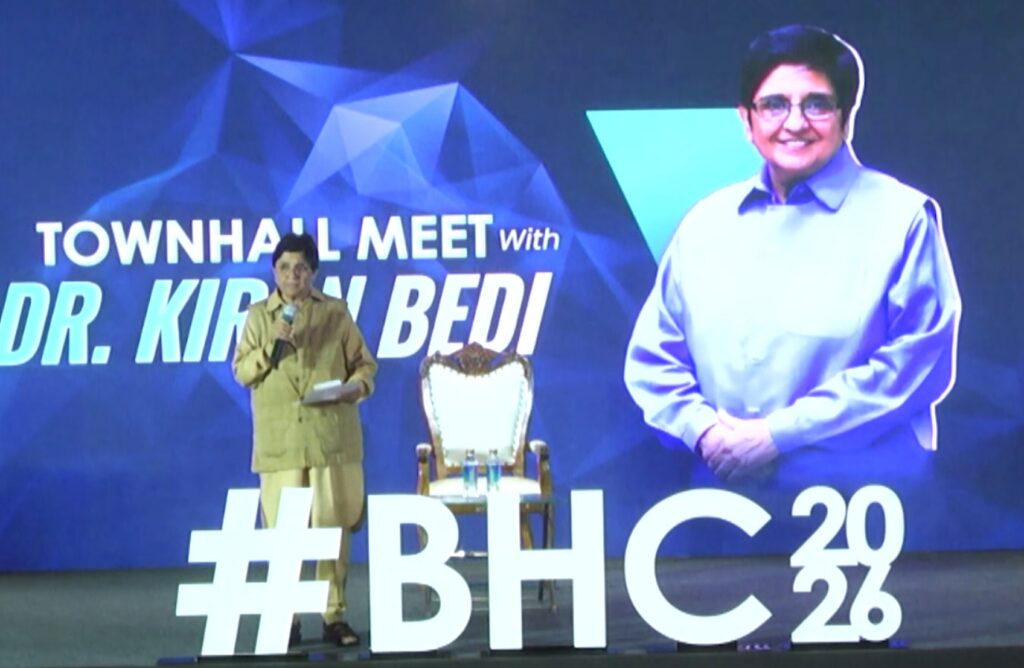
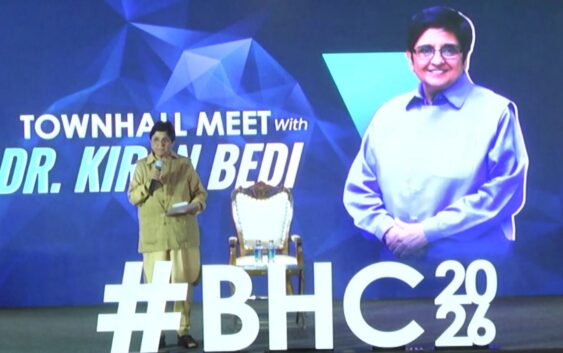
Dr. Kiran Bedi’s townhall session at the Bharat 2.0 Conclave focused on futuristic leadership, continuous learning, and national progress through collaborative skill development.
Here are the key takeaways from the interactive session:
Core Pillars for Future Leaders
Ethics over Efficiency: True leadership in the automation age must prioritize trust, ethics, and human impact over speed and margins.
Redefining with AI: AI will not replace human leaders but will reshape leadership; leaders must balance data insights with personal judgment and accountability.
Continuous Reskilling: Code, software, and conventional degrees quickly grow outdated, making continuous personal upskilling the ultimate survival tool.
Resilience First: Tomorrow’s entrepreneurs need high agility to withstand market shocks and transform global uncertainty into opportunities.
Bharat Skill Exchange Launch
Purpose & Audience: Dr. Bedi announced her new startup ecosystem starting at age 77, specifically targeting the upskilling of the unemployed youth and standard 12+ students.
Marketplace Model: It functions as an online marketplace linking “the haves” (corporate trainers/donors) with “the have-nots” (learners) driven by intelligent matchmaking algorithms.
Total Transparency: To counter corruption, the platform utilizes an independent escrow account and Direct Benefit Transfer (DBT) to verify how corporate CSR funds are utilized by training institutes.
CSR Monetization: Corporations can spend CSR budgets to pay trainer fees on the platform while systematically sourcing highly employable talent directly via employment contracts.
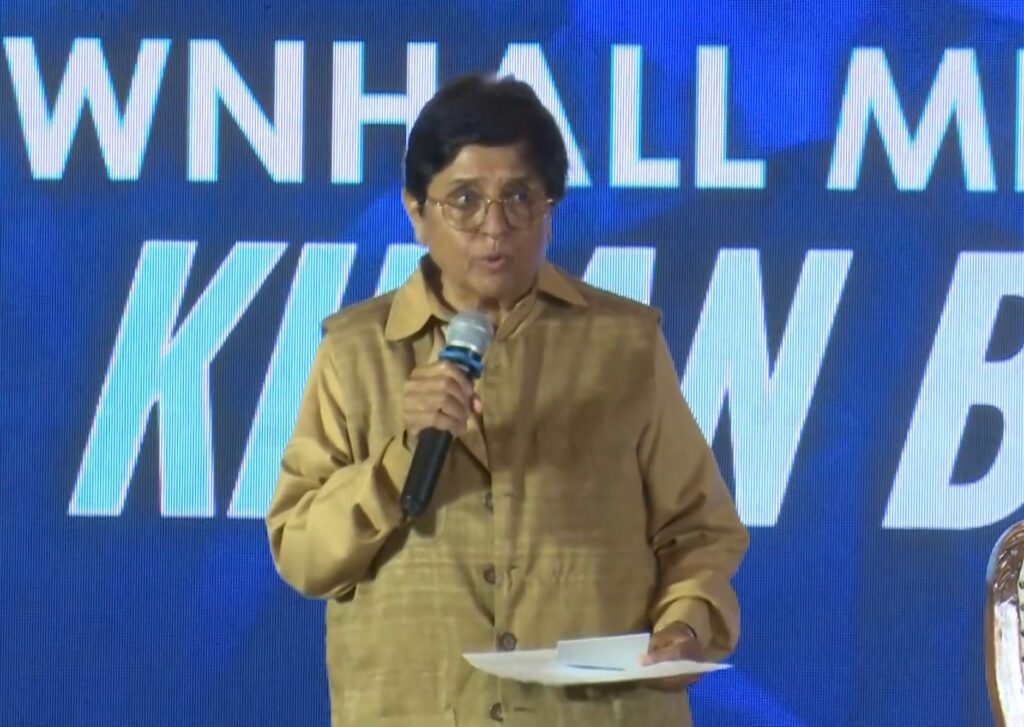
Audience Dialogue & Core Issues
Solving Real Bottlenecks: Dr. Bedi advised that rather than chasing abstract topics, innovators should tackle localized, everyday friction like plastic eradication or boosting tier-2 city resources.
MSME & AI Inclusivity: A key segment needing localized AI applications is the underserved MSME sector, rather than focusing solely on large multinational enterprises.
Managing Mindset & Obstacles: When dealing with systemic limitations or regulatory friction (e.g., corporate moonlighting arguments), leaders must focus strictly on good intentions first and tackle legal hurdles progressively as they arise.
Personal Best Practices: Dr. Bedi highlighted that she personally relies 100% on tools like ChatGPT to optimize her workflow, including parsing her own medical documentation.
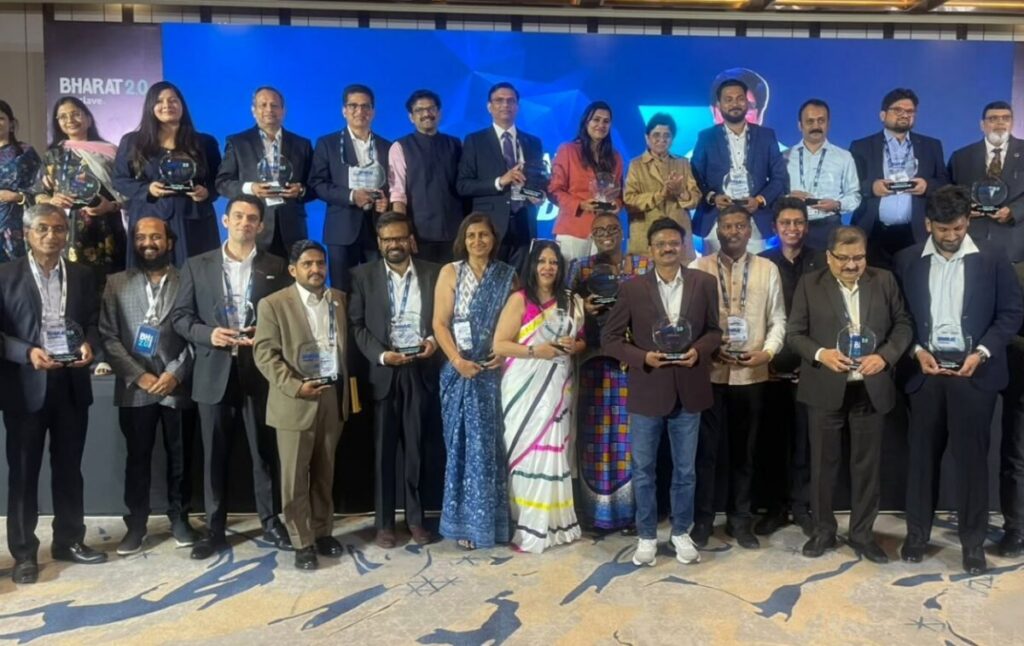
The day ended with the Bharat 2.0 Conclave – Leadership Excellence Awards is a distinguished ceremony honoring visionary leaders, trailblazing innovators, and transformative organizations shaping the future of Indian industry. It’s not just recognition—it’s a celebration of impact, integrity, and the relentless drive that fuels Bharat’s evolution. These awards spotlight those turning challenges into opportunities, setting new benchmarks for excellence in a rapidly transforming nation.
Coverage of the awards –
https://www.fvmglobal.com/exceptional-impactful-future-leaders-of-india/https://www.fvmglobal.com/exceptional-impactful-future-leaders-of-india/